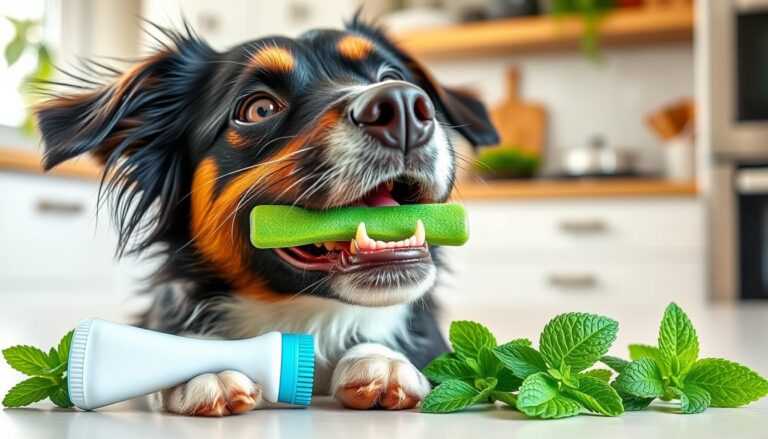
As a devoted dog owner, I know how special our bond with our pets is. Their health is our top priority, especially when they need medicine. It can be tough to get them to take it safely and right.
I’ve been there too, and I know how hard it is. But with the right steps and patience, you can make it easier for both you and your dog.
This article will give you tips and strategies for giving your dog medicine. We’ll cover everything from how to give pills to making the process fun for your dog. This way, you can help your dog stay healthy and recover well.
Key Takeaways
- Understand the importance of following your veterinarian’s instructions when administering medication to your dog.
- Learn techniques for giving pills or capsules to your dog, including using a pet piller device.
- Explore options for making the medication process more enjoyable, such as hiding pills in food or using flavored tablets.
- Discover the proper way to administer liquid medication, including preparation and slow, gentle administration.
- Recognize when not to re-medicate your dog and the importance of safe storage and dosage.
Tips for Giving Pills or Capsules to Dogs
It’s important to give your dog their medicine right. Many medicines come as pills or capsules. Getting your dog to take them can be tough. But, with the right steps, it can be easier for both you and your dog.
Pilling Technique
The pilling technique means opening your dog’s mouth gently. Then, put the pill or capsule at the back of their tongue. Close their mouth until they swallow it. This method takes practice but works well for small to medium dogs.
Pet Piller Devices
Pet piller devices are great for dogs that don’t like taking pills. They look like a syringe without a needle. You put the medicine in the device and gently put it in your dog’s mouth. This helps them swallow the pill or capsule.
Hiding Pills in Food
If your dog doesn’t like pills, try hiding them in their food. Mix the pill or capsule with treats like peanut butter, cheese, or canned dog food. Just watch to make sure they swallow it all.
Staying calm and patient is key when giving your dog medicine. With a bit of practice and the right methods, it can be less stressful for everyone.
“The key to successfully administering medication to your dog is to remain calm, patient, and positive.”
Flavored Pills for Dogs
It can be tough to give dogs their medicine. But, compounding pharmacies have a solution. They can make dog medication taste like treats, making it easier for your dog to take.
Compounding mixes the medicine with tasty ingredients like bacon or cheese. This makes the pills more appealing. Dogs who don’t like pills might find these more tempting.
Flavored medication might cost more. But, it’s worth it for the ease and better compliance. Talk to your vet about flavored options for your dog’s needs.
With a compounding pharmacy, you can make the medicine fit your dog’s taste. This helps ensure your dog stays healthy and happy.
Giving Liquid Medicine to Dogs
Administering liquid medicine to dogs can be easier than pills or capsules. But, it’s important to prepare and use the right technique. This ensures a safe and smooth process for your dog. Let’s look at the main steps for administering liquid medicine to dogs.
Preparing the Environment
Before starting, prepare the environment for your dog’s comfort. Pick a quiet, well-lit spot without distractions. Have all needed items ready, like the medicine, a syringe, and treats for rewards.
Checking Dosage and Preparing Medication
Make sure to check the dosage your vet gave you. Measure it carefully to avoid mistakes. Draw the liquid into the syringe without air bubbles.
Squeezing Medication Slowly
When giving the liquid medication, do it slowly and gently. This helps prevent choking or spitting out the medicine. Stay calm and patient to keep your dog relaxed.
By following these steps, you can make giving liquid medicine to dogs safe and effective for both you and your pet.
When Not to Re-Medicate
It’s important to be careful when giving medication to your dog. If you’re not sure if they got the right amount, don’t give them more. Giving too much can harm them.
Dogs can easily get too much of a medication. Even a tiny mistake can cause big problems. If you’re worried about your dog’s meds, call your vet right away. They can help keep your pet safe.
It’s key to not re-medicating dogs and avoiding overdosing pets. By following your vet’s advice and being careful with meds, you can help your dog get better safely.
“When in doubt, reach out to your vet. Their expertise is invaluable when it comes to your pet’s health and well-being.”
If you have any worries about your dog’s meds, call your vet or get help fast. Your dog’s safety is the most important thing.
Making Medication Time Enjoyable and Safe
It can be tough to give medicine to your dog. But, with the right steps, it can be a good time for both of you. Reward your dog every time you medicate them with praise, playtime, or treats (if okay with your vet). This makes them look forward to it.
Being consistent is key to making dog medication time positive. Stick to your vet’s advice on dosage and timing. A routine and rewards can make some dogs even look forward to pilling time.
Always put your dog’s safety first. Check with your vet to make sure you’re giving the right medicine and amount. With some creativity and patience, you can make medicine time a good experience for your dog.
By using these tips, you can reward dogs for taking meds. This makes giving medicine a stress-free and fun time for you and your dog.
Pet Care Financing with CareCredit
Keeping your pet healthy is important, but it can be expensive. Pet care financing through CareCredit helps. It’s a credit card for healthcare costs, including CareCredit for veterinary expenses.
CareCredit is accepted at over 26,000 vet clinics in the U.S. A study by Synchrony found that many pet owners worry about vet bills. CareCredit offers flexible payment plans to ease this worry.
CareCredit has teamed up with Pets Best for pet owners. This partnership lets pet parents use CareCredit for vet costs and get reimbursed quickly. This makes paying for vet care easier.
CareCredit covers many pet care services, like routine visits and surgeries. Pets Best offers insurance for accidents, illnesses, and routine care. Together, they help ensure your pet gets the care they need without breaking the bank.
Pet care financing with CareCredit can help a lot. It offers flexible payments and is accepted at thousands of vet clinics. This makes it easier to care for your pet.
giving dogs medicine
It can be tough to give your dog medicine, but it gets easier with practice. Follow your vet’s advice and use the tips in this article. This way, your dog will take their medicine without stress, keeping them healthy and happy.
Choosing the right way to give medicine is important. Some dogs take pills easily, while others need treats or flavored pills. These can make giving medicine a fun experience for your dog.
For liquid medicine, you need to prepare it right and give it slowly. This avoids spills and makes your dog comfortable. A calm, happy space helps both you and your dog during this time.
Being patient and making it a positive experience is key. Use treats and praise to make giving medicine a special time. This builds trust and makes your dog more willing to take their medicine.
If you have questions or worries, always talk to your vet. They can help you keep your dog healthy and happy together.
Author Bio
Dr. Kathy Wiederkehr (Wentworth) is a seasoned veterinary expert in dog health and care. She has been practicing veterinary medicine in California since 2001. Recently, she was the medical director of the VCA PetPoint Medical Center and Resort in Irvine.
Dr. Wiederkehr graduated from the University of Pennsylvania School of Veterinary Medicine. She became a diplomate in Canine and Feline Practice by the American Board of Veterinary Practitioners in 2010. This shows her deep commitment to her patients.
Dr. Wiederkehr has written many articles on dog health and care. Her insights help pet owners care for their dogs better.
Dr. Wiederkehr is also involved in the veterinary community. She advises on several professional boards, pushing for better dog health and care practices. Her work inspires many and improves the lives of pets and their owners.
Delivering Liquid Medication Directly
When giving your dog liquid medicine, mixing it with canned food is the simplest way. This method makes sure your dog gets the right amount. But, if you can’t mix it with food, you’ll need to put it directly in their mouth.
Before you start, check the dosage and prepare the liquid correctly. Slowly squeeze the medicine into your dog’s mouth to avoid gagging. Always praise and reward your dog to keep them calm and happy.
By following these steps, you can give your dog the medicine they need without stress. Being patient and positive is key when administering pet medication orally.
About Meloxaid for Dog Pain Relief
Meloxaid is a non-steroidal anti-inflammatory drug (NSAID) with meloxicam as its active ingredient. It’s a honey-flavored liquid that helps dogs with joint pain, inflammation, and other painful conditions.
How Meloxaid Works
Meloxaid blocks an enzyme called COX. This enzyme produces prostaglandin H₂, which causes inflammation and pain. By stopping this process, Meloxaid reduces swelling and discomfort in dogs.
Pets Unsuitable for Meloxaid
While Meloxaid is good for many dogs, it’s not for all. Pregnant or nursing dogs and cats, and those with severe health issues, should not take it. Dogs with allergies to meloxicam or its ingredients should also avoid it.
It’s wise to have regular vet visits and blood or urine tests for dogs on Meloxaid long-term. This ensures the medication is safe and working well.
Conclusion
Caring for your dog’s health is very important. Giving them medications safely is a big part of that. This article helps you do it right, making sure your dog is comfortable and safe.
Learning how to give pills or liquids is key. Knowing about pain relief like Meloxaid is also crucial. This guide gives you the confidence to handle pet meds. Always follow your vet’s advice to make a plan that fits your dog’s needs.
Keeping medication time fun and safe is essential. It helps your dog stay healthy and strengthens your bond. By focusing on your dog’s health and giving meds correctly, you’re giving them the best care.