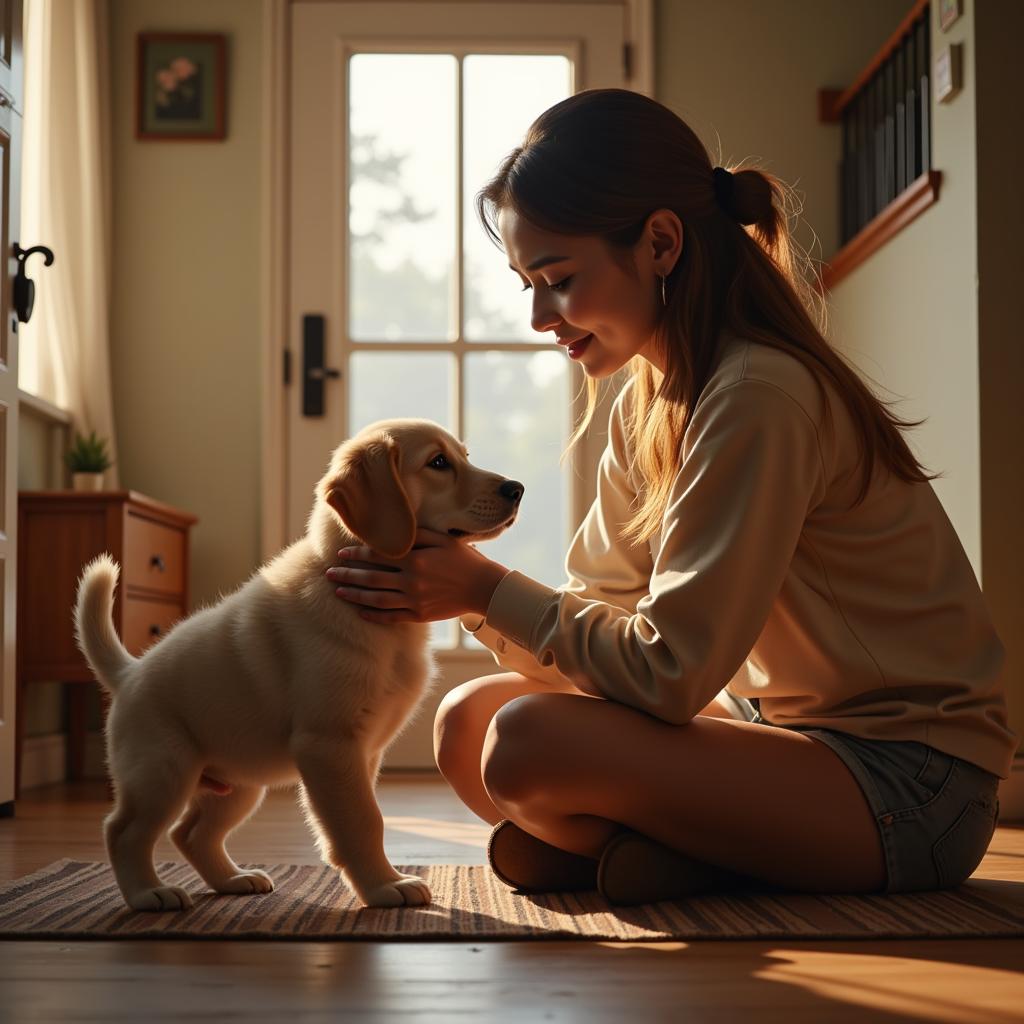
Bringing a new furry family member home is exciting and rewarding. But, it’s key to make sure the transition is smooth and safe for everyone when Introducing a New Dog. As a dog parent, I’ve learned that with some prep and patience, you can make a happy home for all your dogs.
Before your new dog arrives, think about how to make the introduction easy. You’ll need to puppy-proof your home, set up a safe space, and start positive training. These steps will help your new dog feel welcome and build a strong bond with your other pets.
Key Takeaways
- Prepare your home and gather essential supplies before your new dog arrives.
- Create a designated safe space for your new dog to acclimate to their new environment.
- Introduce your new dog on neutral territory and use positive reinforcement to encourage calm behavior.
- Supervise initial interactions and manage any resource guarding issues.
- Establish routines and rules to help your new dog feel secure and comfortable.
Preparing for Your New Dog’s Arrival
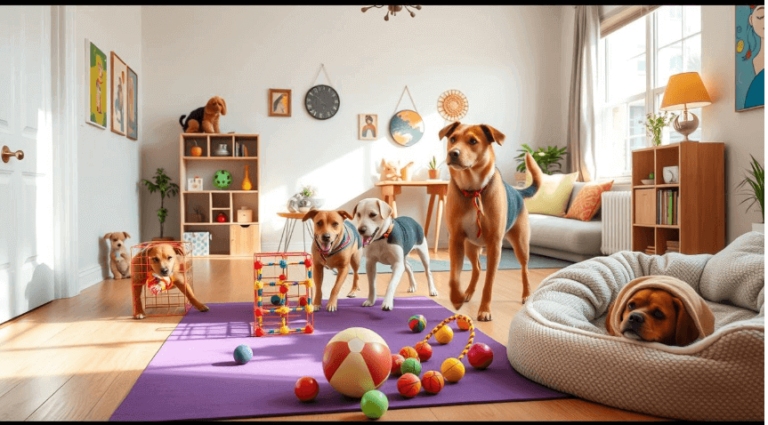
Before your dog comes home, it’s important to get your house ready. You’ll need to gather all the essential supplies. This makes sure your new dog has a safe and comfy place to settle in.
Puppy-proofing Your House
It’s crucial to puppy-proof your home. Check each room for hazards like small objects, electrical cords, and toxic plants. Make sure furniture and appliances are secure. Also, keep outdoor areas safe to prevent escape.
Gathering Essential Supplies
Creating a dog supplies checklist is key. You’ll need food and water bowls, a comfy bed, toys, leashes, grooming tools, and any vet-recommended meds. Choose quality items that will last for years.
By puppy-proofing your house and getting the right supplies, you’re ready for a happy, healthy relationship with your new dog.
Establishing a Safe Space
When your new puppy arrives, it’s key to give them a safe and cozy spot. This can be a crate or a separate room in your home. Having their own space helps them adjust to their new home at their own pace. It also reduces stress and anxiety.
Creating a Cozy Crate or Designated Room
Crate training is a great way to create a safe space for your puppy. The crate should be big enough for your pup to stand, turn, and lie down. Add a soft bed or blanket to make it inviting.
You can also pick a room in your home as your puppy’s retreat. Make sure it has their essentials like food bowls, toys, and a comfy spot.
Introduce your puppy to their safe space slowly and positively. Place treats and toys inside to encourage them. Don’t use the crate or room as punishment. This can make your puppy not want to use it. Instead, make it a place of comfort and security.
Creating a safe space is a crucial step in house training a new puppy. It helps your puppy feel comfortable and secure. With patience and positive reinforcement, they’ll see it as a haven where they can relax and feel safe.
Introducing New Dog
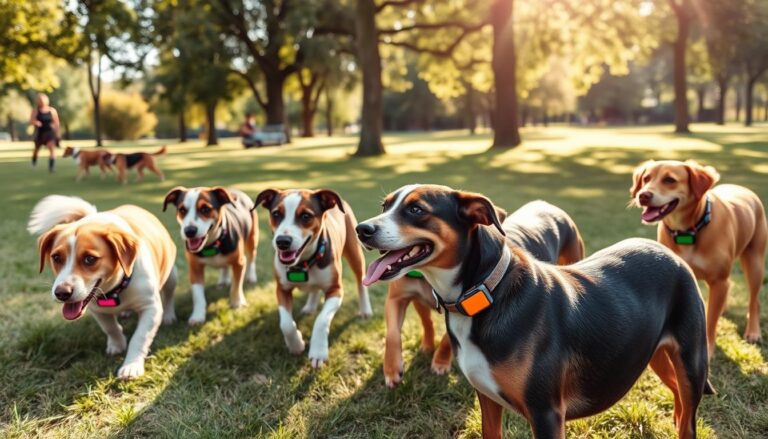
Welcoming a new dog into your home needs careful introductions. The first meeting should be in a neutral place, like a park or quiet street. This helps your current dog feel safe and not territorial.
Meeting on Neutral Territory
Start by having the dogs walk side by side. Slowly bring them closer as they get more comfortable. This way, they can meet at their own pace.
Give them treats and praise for calm behavior. This encourages good interactions and helps them get along.
Parallel Walking Technique
Parallel walking is a great method for introducing a new dog. It lets them walk together, getting used to each other without feeling scared. This builds trust and confidence.
Don’t rush the introduction. Rushing can make your dog scared or aggressive. Let them set the pace. Use treats and praise to help them feel more confident.
Supervising Initial Interactions
When you bring a new dog home, watching how it interacts with your other pets is crucial. This close watch helps you step in if you see any signs of stress or aggression. It stops any fights from getting worse.
Some dog breeds, like greyhounds and terriers, are naturally good at chasing small animals. Cats can also be very protective of their space. Experts say it’s best to keep your dog and cat apart for a few weeks before they meet.
To help them get along, try feeding them on opposite sides of a door. Play with them on blankets with the other pet’s scent. Make sure cats have a safe place to go if dogs get too rowdy. Reward good behavior with treats and affection.
- Keep pets apart when you’re not there to watch, especially if your dog loves to chase.
- Watch for signs of stress or fear, like growling or barking, to keep things calm.
- Use treats, praise, and affection to teach them to be friendly.
- Give cats a place to hide if dogs get too excited, and keep things quiet for a few days.
It might take weeks or months for pets to feel at ease with each other. Be patient, consistent, and always use positive reinforcement to help them get along.
Managing Resource Guarding
When you bring a new dog home, you need to tackle resource guarding right away. This is when dogs protect things like food, toys, or where they sleep. If not handled, it can turn into aggressive behavior.
Separating Feeding Areas
It’s key to keep your new dog’s food area away from other pets. Make sure each pet has its own spot to eat. This helps avoid fights over food.
Avoiding High-Value Items
Also, watch out for things your dog really likes, like favorite toys or chew bones. Keep these things safe and out of reach. When introducing new toys or treats, watch closely to make sure it’s a good experience for your dog.
Setting clear rules and avoiding fights over things helps your dogs feel safe and happy. This makes it easier for them to adjust to their new home.
Positive Reinforcement Training
Using positive reinforcement training with your new dog is key to a strong bond. It encourages calm, good behavior. Give treats and praise when your dog is calm and relaxed. This makes them feel more comfortable in their new home.
Rewarding Calm Behavior
Starting puppy training early is vital. Puppies learn fast. Positive reinforcement is a top training method. Training the same way helps puppies learn faster.
- Having a routine for feeding, bathroom breaks, play, and training is important.
- Early socialization is key for a well-adjusted dog.
- Meeting different people, animals, and places helps build confidence.
- Puppy classes, park visits, and playdates help with socialization.
The American Kennel Club (AKC) says positive reinforcement makes dogs want to do good things. The “critical socialization period” is between 3 and 14 weeks.
The American Veterinary Society of Animal Behavior warns against punishment. It can make dogs more aggressive and fearful. Regular routines help with training by linking times to bathroom breaks.
The Journal of Veterinary Behavior found that activities like nose work boost a dog’s happiness. Leash training is essential for a safe, fun walk.
Introducing New Dog to Resident Pets
Welcoming a new dog into your home needs careful planning. It’s important to make sure the introduction goes smoothly for all pets. Start slow and watch them closely to help them get along.
Gradual and Supervised Introductions
First, let your new dog and pets get used to each other’s smells. Swap their bedding or toys to introduce new scents. Then, you can start face-to-face meetings, watching how they react.
Stay calm and use treats to reward good behavior. If things get tense, separate them and try again later. Being patient and taking it one step at a time helps a lot.
Every pet is different, so what works for one might not work for another. Pay attention to what your pets are telling you. If you need help, talk to a vet or animal behaviorist.
By following these steps and focusing on your pets’ safety, you can make the transition easy. This way, your new dog will fit right in with the family.
Establishing Routines and Rules
Bringing home a new furry friend is exciting. But, it’s key to set up routines and clear rules. This helps your dog feel safe and comfortable. A structured daily schedule helps ease the transition and strengthens your bond.
Begin with a consistent feeding schedule. Puppies need more meals, so set times for breakfast, lunch, and dinner. This helps their digestion and prevents overeating. Also, create a regular potty routine to support training and reduce accidents.
Teach your dog basic obedience commands too. Commands like “sit,” “stay,” “come,” and “heel” promote good behavior. Practice these commands daily, rewarding your dog with praise and treats.
Creating routines and rules takes time and patience. But, the benefits are huge. Structure and predictability make your dog feel secure and confident. This sets the stage for a lifelong bond.
Socializing Your New Dog
Socializing your new dog is key to their happiness and growth. It’s about slowly introducing them to new places, people, and animals. This makes them confident and well-adjusted. The best time for this is between 3 and 14 weeks, so start early.
Exposing to New Environments
Take your dog on car rides and to pet-friendly stores. Let them meet new people of all ages. Use treats and praise to make them feel good about new things.
Also, think about puppy classes or “puppy kindergarten.” These places are safe for your dog to meet other puppies. A professional trainer helps, teaching them important social skills.
FAQ
What should I do to prepare my home for a new dog?
Before your new dog arrives, make your home safe. Remove harmful items and secure electrical cords. Also, get all the essentials like food bowls, a bed, toys, and grooming tools.
How can I create a safe and comfortable space for my new dog?
Provide a cozy space for your new dog. This could be a crate or a room in your home. It helps them adjust at their own pace.
How should I introduce my new dog to my resident pets?
Introduce them in a neutral area like a park. This prevents territorial feelings. Start with them walking side by side, then closer. Reward calm behavior with treats.
How can I prevent resource guarding between my new dog and resident pets?
Keep their food and toys separate. This avoids fights over resources. It makes them feel secure and comfortable together.
How can I use positive reinforcement to help my new dog adjust?
Positive reinforcement is key. Reward calm behavior with treats and praise. It helps them feel at ease in their new home.
How can I establish consistent routines and rules for my new dog?
Set regular routines and rules. This includes feeding times, potty breaks, and training. It makes them feel secure and helps them adjust.
How can I socialize my new dog to help them feel comfortable in new situations?
Socializing is crucial for their well-being. Introduce them to new places, people, and animals. Always praise and reward calm behavior.