As a proud dog parent, I love running my fingers through my furry friend’s soft coat. But keeping it perfect isn’t easy. It takes consistent care to keep your pup looking and feeling great.
In this guide, we’ll cover 10 key grooming tips for a healthy coat. We’ll talk about the importance of regular brushing and the best bathing practices. These tips will help you elevate your dog’s grooming routine. Get ready to make your dog’s coat shine and improve their happiness and comfort.
Key Takeaways
- Consistent brushing is key to maintaining a healthy, tangle-free coat
- Bathing frequency and the right shampoo are essential for protecting your dog’s skin and coat
- Proper nail care and ear cleaning can prevent discomfort and infections
- A balanced diet and ample hydration contribute to a lustrous, shedding-resistant coat
- Professional grooming can tackle even the most challenging grooming needs
Importance of Regular Brushing
Regular brushing is key to keeping your dog’s coat healthy. It removes dirt, debris, and loose hair. It also boosts blood flow to the skin, making the coat look better and keeping the skin healthy.
Brushing Techniques for Different Coat Types
Dogs with different coat types need different brushing methods. Short-haired dogs should brush weekly. Medium-length coats need daily light brushing. Long-haired dogs need daily brushing and combing to avoid mats and tangles.
- Short, smooth coats: Use a rubber brush like the KONG Dog ZoomGroom.
- Long double coats: Tackle shedding with slicker brushes and deshedding tools.
- Curly or wavy coats: Combine slicker brushes and metal combs for daily brushing.
- Straight coats: Opt for slicker brushes for short clips or wire pin brushes for longer coats.
Benefits of Regular Brushing
Brushing your dog’s coat regularly has many benefits. It removes loose hair and prevents mats and tangles. It also lets you check your dog’s skin for any problems, helping catch health issues early. Plus, it spreads natural oils, keeping the coat healthy and shiny.
Shedding season, in spring and fall, means more brushing is needed. Use the right tools to handle the extra shedding. Start slowly and use positive reinforcement to help dogs who don’t like brushing.
Optimal Bathing Practices
To keep your dog’s coat healthy and shiny, a good bathing routine is key. Experts say to bathe your dog every 4 to 6 weeks. This keeps their coat clean and their natural oils intact, which protect their skin.
Bathing too often can remove these oils. This can make their skin dry and irritated.
Frequency of Bathing
It’s best to bathe your dog every 4 to 6 weeks. This keeps their coat clean and their natural oils in place. You might need to adjust this based on how active your dog is, their coat type, and their environment.
For small messes, a damp cloth can do the trick between full baths.
Choosing the Right Shampoo and Water Temperature
Always use lukewarm water and a shampoo made for dogs. This avoids skin irritation. Look for shampoos with moisturizers to help their skin and coat.
Make sure to rinse off all shampoo. Leftover soap can dull their coat and irritate their skin. It’s also important to dry their coat completely after bathing to prevent skin problems.
“Proper bathing techniques and products are essential for maintaining a healthy, shiny coat in dogs.”
By following these bathing tips, you can keep your dog’s dog skin health and dog coat in great shape. This also ensures they’re comfortable and happy during grooming.
Proper Diet for Coat Health
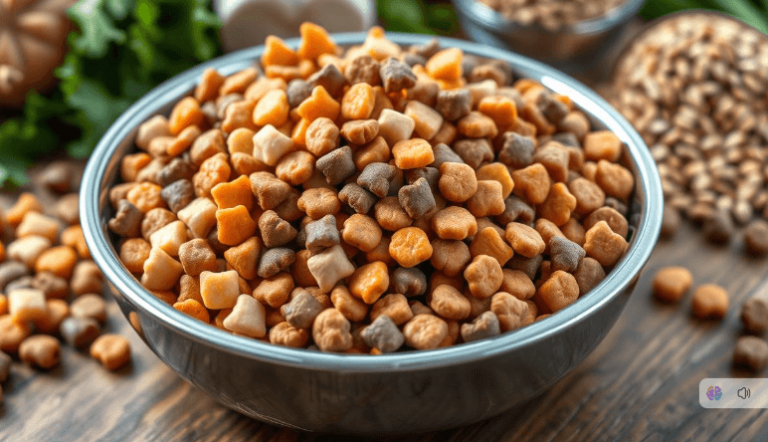
A good diet is key for a healthy dog’s coat. It should have high-quality proteins and omega fatty acids. Foods like chicken, turkey, or lamb help make the coat shiny. Adding omega-3 and omega-6 fatty acids from fish oils and flaxseed oil reduces inflammation and keeps skin healthy. These changes can make your dog’s coat look better in about six weeks.
Dogs need a balanced diet with proteins like chicken, beef, lamb, and fish. These help with muscle growth and repair. For energy and healthy skin and coat, fish oil, flaxseed oil, and chicken fat are crucial. A diet rich in nutrients keeps your dog’s coat looking great.
To support your dog’s coat health, consider these dietary tips:
- Incorporate dog-friendly proteins like chicken, turkey, or lamb into your dog’s diet.
- Add omega-3 and omega-6 fatty acids from sources like fish oils and flaxseed oil.
- Ensure your dog’s diet is well-balanced and nutrient-dense to meet their overall nutritional needs.
By focusing on a dog nutrition plan that provides the necessary building blocks for healthy skin and coat, you can help your furry friend achieve a stunning, vibrant appearance that reflects their overall wellbeing.
Maintaining Hydration for Healthy Coats
Keeping your dog hydrated is key for a shiny coat. Dehydration can make their skin dry and their coat dull. Make sure your dog always has fresh, clean water, especially when it’s hot or after they exercise.
Signs of Dehydration in Dogs
It’s important to know when your dog is dehydrated. Look for a dry mouth, sunken eyes, and skin that doesn’t bounce back. If you see these signs, give your dog more water and watch their hydration closely.
Tips for Encouraging Water Intake
- Place multiple water bowls throughout your home and yard, making it easy for your dog to access water.
- Refresh the water supply frequently to keep it clean and appealing.
- Consider adding wet food to your dog’s diet, which can help increase their dog hydration.
- Offer ice cubes or low-sodium broth as a tasty way to boost your dog’s water intake.
By keeping an eye on your dog’s dog hydration and using these tips, you can help their coat stay healthy and shiny.
Seasonal Paw Care
As winter comes, taking care of your dog’s paws is key. Cold weather and deicing salts can harm their paw pads. This can cause dry, cracked skin or even burns.
Winter Paw Protection
Wash and dry your dog’s paws after walks to remove harmful chemicals. Think about getting dog booties or using paw wax for protection. Trimming fur between the toes helps prevent ice and improves grip on slippery surfaces.
Monitoring for Paw Injuries
Watch for signs of discomfort or injury in your dog’s paws, like limping or excessive licking. These could mean frostbite or irritation. Address any issues quickly to keep your dog’s dog paw care and dog paw protection up during dog winter care.
“Proper dog paw care and protection during the winter months is essential for keeping your four-legged friend comfortable and healthy.”
By focusing on dog paw care and dog paw protection, you can make winter better for your dog. This way, they won’t have to deal with cracked paws or other cold-weather problems.
dog grooming tips
Proper dog grooming is key to keeping your dog looking and feeling great. Knowing your dog’s coat type and grooming needs is important. This helps keep their coat healthy and shiny, and prevents health problems.
Brushing your dog regularly is a must. Single-coated dogs shed all year, while double-coated dogs shed in spring and autumn. Brushing removes loose hair, spreads natural oils, and prevents mats and tangles.
Choosing the right grooming products is also vital. For smooth-coated dogs with dry skin, use a moisturizing shampoo like Groomers Simply Natural Oatmeal and Coconut. Curly-coated dogs, like Poodles, need products that keep their curls in check, such as Groomers Crazy Curls 2-in-1 Conditioning Shampoo. Drop-coated breeds need moisture to avoid frizz and split ends. Wire-coated dogs benefit from products that keep their unique texture, like Warren London Dry Waterless Deep Cleaning Shampoo.
- Hatchwells Chalk Powder can absorb grease for hand stripping, aided by finger cots for skin protection.
- Poodles and other scissoring-coat breeds benefit from volumizing shampoos and anti-static sprays for coat preparation.
- For dirty dogs, consider antibacterial or deep-cleaning shampoos, washing twice to remove dirt and debris effectively.
- When grooming a matted coat, using moisturizing shampoo, conditioner, and detangle spray can help smoothen the hair and save most of the coat.
By following these dog grooming tips and dog grooming techniques, you can keep your dog’s coat healthy and shiny. Regular grooming is crucial for your dog’s overall health and well-being.
Caring for Your Dog’s Nails
Regular nail trimming is key for your dog’s grooming. Long nails can hurt and change how they walk. Dogs should get their nails trimmed every 3-4 weeks, or more often if needed.
Proper Nail Trimming Techniques
Use clippers made for dogs and be careful not to cut too short. If you or your dog gets nervous, a professional groomer can help. They know how to be gentle.
When to Seek Professional Help
If you’re not sure about trimming your dog’s nails, or if they don’t like it, get a pro. They have the right tools and know-how for a safe, stress-free trim.
“Regular nail care is essential for your dog’s comfort and mobility. Don’t hesitate to seek professional help if you’re unsure about the process.”
Keeping your dog’s nails healthy is a big part of grooming. Use the right methods or get help from a pro to keep their paws in great shape.
Ear Cleaning and Inspection
Keeping your dog’s ears healthy is key, but often forgotten. Their ears should be light pink, smell good, and not have too much wax or discharge. If you see redness, swelling, a bad smell, or discharge, it might mean they have an infection, allergies, or mites. These need quick attention.
To keep your dog’s ears in great shape, use a vet-recommended ear cleaning solution and cotton balls or pads. Gently wipe the inside of the ear flap and canal. Don’t push debris deeper into the ear, as it can make things worse. Regular dog ear care and dog ear cleaning stop infections and keep your dog happy.
How often to clean your dog’s ears depends on their needs. Dogs with floppy ears, like spaniels or beagles, need more care because of trapped moisture and bacteria. Also, dogs that love swimming might need their ears cleaned more to avoid water infections.
“Only clean your dog’s ears at home if advised by a vet to avoid creating additional problems.”
For the best care, talk to your vet about the right dog ear health plan for your dog. By being careful and quick to address problems, you can keep your dog’s ears healthy and comfy.
Regular dog ear inspection and care are key parts of grooming. By doing these things, you’re helping your dog stay well and happy.
Dental Care for Dogs
Keeping your dog’s teeth clean is key to their health. Regular care can stop bad breath, plaque, and tartar. This helps avoid gum disease and other dental issues. Brushing at home and getting professional cleanings are best.
At-Home Tooth Brushing
Brushing your dog’s teeth daily with a special toothbrush and toothpaste is important. Begin slowly if your dog is new to it. Gradually increase brushing time as they get used to it. A regular routine makes brushing a positive experience for them.
Professional Dental Cleanings
Your dog will also need professional cleanings every 1-2 years. These cleanings remove plaque and tartar that brushing can’t. They are vital for your dog’s dental health and preventing future problems.
Start dental care early to help your dog get used to it. This makes keeping their teeth and gums healthy easier as they age. Look out for bad breath, tartar, swollen gums, and changes in behavior that mean they need dental care.
“Regular veterinary check-ups are crucial for monitoring a pet’s dental health and tackling any potential problems at an early stage.”
By brushing your dog’s teeth daily and getting professional cleanings, you can keep their teeth and overall health in great shape for years.
Managing Excessive Shedding
Shedding is normal for dogs, but too much can mean health problems. Hormonal issues, skin infections, and seasonal changes can cause it. With the right grooming and tips, you can help your dog shed less.
Causes of Excessive Shedding
Many things can lead to too much shedding in dogs. These include:
- Hormonal imbalances
- Skin infections or allergies
- Nutritional deficiencies
- Stress or anxiety
- Seasonal changes
Tips to Reduce Shedding
Here are some ways to cut down on shedding and keep your dog’s coat healthy:
- Brush your dog often with a good brush or deshedding tool. This removes loose fur and prevents mats.
- Give your dog a diet rich in omega-3 and omega-6 fatty acids. This supports a healthy coat.
- Make sure your dog drinks plenty of water. Provide clean, fresh water always.
- Use a gentle, moisturizing shampoo when bathing your dog. This soothes the skin and reduces shedding.
- Trim your dog’s nails regularly. This prevents painful overgrowth and skin irritation.
- If your dog’s shedding changes, talk to your vet. It could be a sign of a health issue.
By following these tips, you can manage your dog’s shedding. This keeps their coat healthy and vibrant.
“Regular grooming during the shedding season helps manage the increased shedding.” – Lisa Lippman, DVM
Coat Conditioning Treatments
Keeping your dog’s coat healthy and shiny is more than just brushing and bathing. Coat conditioning is key in summer grooming. It makes your dog’s fur soft, hydrated, and tangle-free. Using a dog conditioner or spray adds moisture, preventing dry skin and enhancing shine.
Apply conditioner evenly after a bath, focusing on dry or matted areas. Let it sit for a few minutes before rinsing well. Regular conditioning keeps your dog’s coat smooth and reduces shedding, making your home cleaner.
Understanding your dog’s coat type is crucial for effective conditioning. Single-coated dogs shed less and don’t have a shedding season. Double-coated breeds need more grooming to manage their undercoat. Drop-coated and curly-coated dogs also have special needs for their fur.
“Proper grooming and coat conditioning are essential for keeping your dog’s fur healthy and preventing skin irritations or infections.”
Regular conditioning treatments keep your dog’s coat soft, shiny, and tangle-free. This promotes their health and well-being. Healthy coats also help regulate body temperature, especially in warm weather.
- Use a dog-specific conditioner or conditioning spray after bathing to add moisture to your pup’s coat.
- Focus on applying the conditioner to areas prone to dryness or matting, such as the undercoat and behind the ears.
- Allow the conditioner to sit for a few minutes before rinsing thoroughly to ensure maximum benefits.
- Adjust your conditioning routine based on your dog’s coat type, as single-coated, double-coated, and drop-coated breeds have unique needs.
- Regular conditioning treatments help reduce shedding and keep your dog’s coat looking its best.
Conclusion
Keeping your dog’s coat healthy and shiny is key. A good grooming routine meets your dog’s special needs. This includes brushing, bathing, nail care, ear cleaning, and dental hygiene.
Using the right tools and products helps keep your dog’s coat looking great. Whether your dog has short or long hair, these tips can make a big difference. Taking care of your dog’s coat also makes them happier and healthier.
Every dog is different, so be patient and flexible with grooming. With practice, you’ll find the best routine for your dog. This will lead to a beautiful, healthy coat for both of you to enjoy.