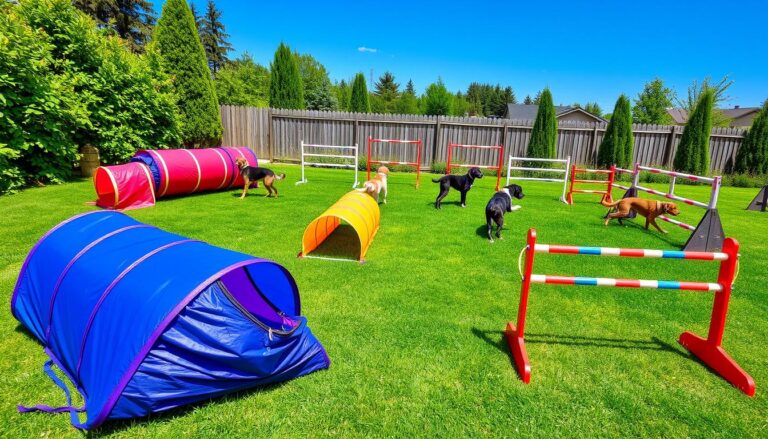
As a proud dog owner, I’ve experienced the joys and challenges of training my furry friend. Whether it’s a new puppy or an adult dog, training is crucial. It helps build a strong bond and ensures your dog behaves well. In this guide, we’ll cover the basics of dog training.
We’ll look at positive reinforcement and how to handle common behavioral issues. Get ready for a journey that will change your relationship with your dog for the better.
Key Takeaways
- Discover the power of positive reinforcement training to build a strong bond with your dog.
- Learn how to effectively use clicker training to enhance communication and accelerate the learning process.
- Understand how to manage fear and aggression in dogs through desensitization and counter-conditioning techniques.
- Master the art of loose-leash walking and leash training for improved manners and safety.
- Explore shaping and luring methods to teach complex behaviors step-by-step.
The Foundations of Positive Reinforcement Training
At the heart of successful dog training lies the power of positive reinforcement. This approach rewards desired behaviors, making the dog more likely to repeat them. Rewards can be treats, toys, or even praise.
Understanding Positive Reinforcement
Positive reinforcement training builds a strong bond between dog and trainer. It makes training a positive experience. This method reduces fear and stress, making learning fun for the dog.
Studies show it speeds up learning, making it a great training method.
Incorporating Positive Reinforcement into Training
- Use small, high-value treats to reward desired behaviors
- Time the rewards correctly, immediately following the desired behavior
- Gradually reduce the frequency of treats as the behavior becomes more consistent
Benefits of Positive Reinforcement Training
Positive reinforcement training is highly effective in solving behavior problems and teaching dogs new skills. Aversive training, which uses punishment or fear, can lead to aggression and harm the dog-owner relationship.
Positive reinforcement training rewards desired behaviors in a supportive environment. It builds trust and strengthens the bond between dog and trainer. It ensures a stress-free learning experience for all.
Clicker Training: Enhancing Communication with Your Dog
Clicker training is a great way for dog owners to improve communication and bond with their dogs. It uses a small device that makes a “click” sound to mark good behavior. This lets the dog know they did something right and a treat is coming.
How Clicker Training Works
Clicker training works for dogs of all ages. It’s good for teaching basic commands and advanced tricks. The clicker’s sound is clear and immediate, helping dogs learn fast.
Advantages of Clicker Training
- Strengthens the bond between dog and owner by rewarding good behaviors
- Helps dogs unlearn unwanted behaviors like jumping, barking, or leash pulling
- Useful for teaching complex commands and tricks, such as agility training
- Beneficial for training service and emotional support dogs
Best Practices for Clicker Training
To start, “charge” the clicker by clicking and giving a treat right away. Once the dog connects the sound with a reward, you can use it to mark good behavior. Then, you can stop giving treats but keep using the clicker.
Clicker training is a positive way to teach dogs new things. It gives immediate feedback and strengthens the bond between dog and owner. This leads to a happier, better-trained pet.
“Positive reinforcement through clicker training helps strengthen the bond between dog and owner by rewarding good behaviors rather than punishing bad ones.”
Managing Fear and Aggression with Desensitization and Counter-Conditioning
Many dogs face fear or aggression, like loud noises or strangers. Desensitization and counter-conditioning are great ways to help. Desensitization slowly introduces the dog to the feared thing without fear. Counter-conditioning changes the dog’s feelings by linking the feared thing to good things.
These methods slowly introduce the dog to triggers. They help the dog feel more confident and learn that good things happen with the trigger. Start with a level the dog can handle, then slowly increase it as they get more comfortable.
For example, if a dog is scared of loud noises, start with very low volume recordings. Increase the volume if the dog stays calm. Give treats or play with the dog to link the noise to positive feelings.
- Desensitization gradually exposes the dog to the feared stimulus at a manageable level.
- Counter-conditioning pairs the feared stimulus with positive experiences and rewards.
- These techniques work together to reduce fear-based behaviors and build the dog’s confidence.
By using desensitization and counter-conditioning, you can manage fear and aggression in dogs. This helps them overcome their fears and become more confident and positive.
Loose-Leash Walking and Leash Training
Teaching your dog to walk on a loose leash is very important. It means your dog walks calmly beside you without pulling. This skill takes time and patience, but it’s very rewarding.
Teaching Loose-Leash Walking
Positive reinforcement is the best way to teach loose-leash walking. Give your dog treats, praise, or more walk time when they walk well. If they pull, stop and wait for them to calm down before walking again.
This method teaches your dog that pulling stops the fun. But, rewarding calm behavior shows them that good behavior is rewarded.
Benefits of Loose-Leash Training
- Improves focus and impulse control during walks
- Strengthens the bond between you and your dog
- Reduces stress and anxiety for both you and your dog
- Allows for more enjoyable and safer outdoor adventures
Tips for Successful Leash Training
- Use high-value treats at first to keep your dog’s attention
- Be consistent in stopping the walk whenever your dog pulls
- Gradually reduce the use of treats as your dog becomes more proficient
- Consider using a long leash (20-foot) to provide more freedom and training opportunities
- Practice in various environments to generalize the behavior
Remember, patience and consistency are key in loose-leash walking and leash training for dogs. With time and effort, your dog will learn to walk calmly by your side. This makes dog walking training and dog obedience training more fun for both of you.
Shaping and Luring: Building Complex Behaviors
Training your dog can be fun with shaping and luring. Dog training techniques like these help you teach complex behaviors step by step. This makes learning easier and more fun for your dog.
Understanding Shaping
Shaping dog behavior means rewarding small steps towards the behavior you want. You reward your dog for every little bit they do that gets them closer to the final behavior. This way, your dog learns at their own pace without feeling stressed.
Using Luring Effectively
Luring in dog training uses treats to guide your dog into the right position. Hold a treat in front of your dog’s nose and move it slowly. This helps them learn what you want them to do, like sitting or lying down.
Both shaping and luring use positive reinforcement training. This method rewards good behavior, building a strong bond with your dog. It makes learning new skills fun and stress-free.
Start using shaping and luring in your dog’s training. Be patient and celebrate small wins. With time and effort, you’ll teach your dog advanced behaviors, making them well-trained and confident.
dog training for beginners
Dog training is a rewarding journey for pet owners. It’s great whether you have a new puppy or an older dog. Understanding the basics is key. Positive reinforcement and basic commands help you bond with your dog and keep them happy and well-behaved.
Positive Reinforcement: The Foundation of Effective Training
Positive reinforcement is at the heart of modern dog training. It rewards good behavior with treats and praise. This method is better than punishment, which can hurt your bond with your pet.
Basic Obedience Commands for Beginners
Beginners should start with “sit,” “stay,” “come,” and “heel.” Use positive reinforcement to teach these commands. Remember, it takes time and patience for your dog to learn.
Puppy Training Tips
- Start training early with short, positive sessions.
- Use treats and praise to reward good behavior.
- Socialize your puppy to help them feel comfortable in new places and with new people.
- Keep a consistent routine and set clear rules to make your puppy feel secure.
Dog training is a journey, not just a goal. Stay patient, consistent, and positive. This way, your dog will become a well-behaved and confident friend. Training can be fun for both you and your dog.
“The greatest pleasure of a dog is that you may make a fool of yourself with him, and not only will he not scold you, but he will make a fool of himself too.” – Samuel Butler
Impulse Control Training: Teaching Self-Control
Impulse control is key for dogs, especially when they must wait patiently or stay calm. This basic dog obedience training helps them resist acting on impulse. This means not jumping on people, chasing distractions, or running through open doors. By teaching impulse control training for dogs, you help your pet stay calm in exciting places and avoid risky behaviors.
Exercises for Impulse Control
There are several effective exercises to help dogs develop impulse control:
- The “Leave It” Command: This teaches your dog to ignore tempting objects or situations and focus on you instead.
- The “Wait” Command: Helps your dog learn to pause and wait for your signal before moving forward, such as before going through a door or receiving a treat.
- Mat Training: Encourages your dog to stay calmly on a mat or bed, even when faced with distractions.
Importance of Impulse Control Training
Self-control training for dogs is vital for their safety and happiness. By mastering impulse control, your dog can manage their behavior, stay calm in exciting places, and avoid dangerous activities. This improves dog obedience training and strengthens your bond with your pet.
Start with simple commands in a quiet place before making things harder. Always speak calmly and firmly when teaching impulse control. This shows your dog how important self-control is.
When to Seek Professional Help
Many dog owners can train their pets on their own. But, sometimes, getting help from professional dog trainers or specialists is crucial. These experts have years of experience and knowledge that can really help with tough behaviors or specific goals.
If you face serious behavioral issues, don’t have time to train, or want to reach high goals, a pro can help. They can make your training better and lead to lasting success for you and your dog.
- Professional dog trainers have over 20 years of experience working with dogs. They use a natural behavior training process that doesn’t just rely on verbal commands.
- Dog behavior specialists focus on training behaviors, not just obedience. They can handle various bad behaviors, especially those caused by fear or anxiety.
- They use a unique pack dynamic training approach. This helps improve social behavior, using pack dogs to help dogs that lack confidence.
- These professionals avoid using force or pain in training. Instead, they use supervised play and social interaction to help dogs learn.
Getting help from professional dog trainers or specialists can change your dog’s training journey. It helps tackle challenges and unlock your dog’s full potential with safe and proven practices.
By using the expertise of these professionals, you can make sure your dog gets the support and guidance they need. This way, your dog can become a well-adjusted, confident, and well-behaved companion.
Mastering the Basics: Essential Commands for Every Dog
Teaching your dog basic obedience commands is key for their safety and your home’s peace. The seven must-know commands are sit, stay, come, down, heel, leave it, and drop it. These essential dog commands help control your dog, teach calmness, and keep them safe in emergencies.
Being consistent is crucial when teaching these basic dog obedience commands. Spend just 5-10 minutes each day. Use treats, toys, or praise to reward good behavior. Avoid punishment like yelling or leash corrections, as it can confuse and hurt your bond.
Whether you’re new to dog training for beginners or have experience, learning these commands is vital. They help your dog behave well and strengthen your bond. By making these commands part of your daily routine, you’ll have a happy, obedient dog.
- Sit: This command teaches your dog to remain in a seated position until released.
- Stay: Helps your dog learn to remain in one spot until you give the release cue.
- Come: Ensures your dog will come to you when called, even in distracting environments.
- Down: Instructs your dog to lie down and remain in that position.
- Heel: Teaches your dog to walk calmly by your side, without pulling on the leash.
- Leave it: Prevents your dog from picking up or interacting with unwanted items.
- Drop it: Allows you to retrieve items from your dog’s mouth safely.
Training is a continuous journey, and older dogs can still learn. Professional help, whether in group classes or private sessions, can be very helpful. With patience, positivity, and persistence, you can master these commands and enjoy a great relationship with your dog.
Effective Training Methods: 1-2-3 and Positive Reinforcement
Training your dog can be easy with the 1-2-3 method and positive reinforcement. These methods use clear commands, gentle guidance, and rewards. They help build a strong bond and teach good behaviors.
The 1-2-3 Training Method
The 1-2-3 method is simple and works well for dogs and owners. It has three main steps:
- Give a clear command or cue.
- Gently guide your dog into the desired position.
- Immediately reward your dog with a treat or praise for following the command.
This method makes training easy and builds trust between dog and owner.
The Power of Positive Reinforcement
Positive reinforcement training rewards good behavior instead of punishing bad ones. It makes learning fun and motivating for dogs.
Trainers use treats, praise, or playtime to reward good behavior. This method strengthens the bond between dog and owner. It also boosts the dog’s confidence and excitement during training.
“Positive reinforcement training is the most effective and humane way to train your dog. It creates a strong bond of trust and mutual respect between you and your furry friend.”
Using the 1-2-3 method and positive reinforcement together unlocks your dog’s full potential. It makes training a rewarding and enjoyable experience for both dog and owner.
The 7-7-7 Rule for Successful Dog Training
Bringing a new dog home or starting training can be thrilling but tough. The 7-7-7 rule helps make the transition smooth and training effective. It breaks down into three main phases for successful dog training:
- 7 Days of Acclimation: In the first week, let your dog get used to their new home and family. Don’t push too hard with training. Instead, focus on positive interactions, rest, and getting to know their new space.
- 7 Weeks of Bonding: After the first week, spend the next 7 weeks strengthening your bond. Use short, positive training sessions. Include clicker training and positive reinforcement to teach good behaviors and build trust.
- 7 Months of Training: The last stage is about long-term training to improve obedience and behavior. Spend 10-15 minutes each day on training. Focus on key commands like sit, stay, and come. This phase is key for a well-behaved, confident dog.
By sticking to the 7-7-7 rule for dog training, you lay a solid foundation for your dog’s success. Training is all about patience, consistency, and bonding with your new dog. With this plan, you’re on the path to a happy, harmonious relationship with your furry friend.
Conclusion
Training your dog is key to being a good pet owner. By using positive reinforcement and the 1-2-3 method, you’ll get a well-behaved dog. Every dog is different, so adjust your training to fit their personality.
Success in dog training comes from patience, consistency, and trust. This is true whether you’re training a puppy or an older dog. The tips in this article will help you build a strong bond with your dog.
Choosing positive reinforcement and ethical training is best for your dog’s well-being. It makes your relationship with your dog better and lasts a lifetime. Start using these dog training tips, positive reinforcement for dogs, and successful dog training methods today.