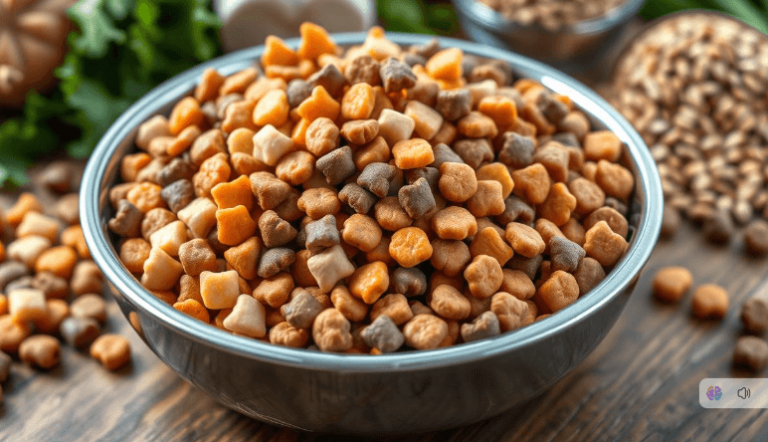
I love giving my dogs the best care and nutrition. The idea of a raw dog food diet caught my eye. It promises better health and a natural diet for dogs. But, changing your dog’s diet is a big step. You need to think about the good and bad sides.
More pet owners want natural, less processed food for their pets. About 25% of pet owners in the US and other countries have tried raw food diets. They believe it’s better for their pets.
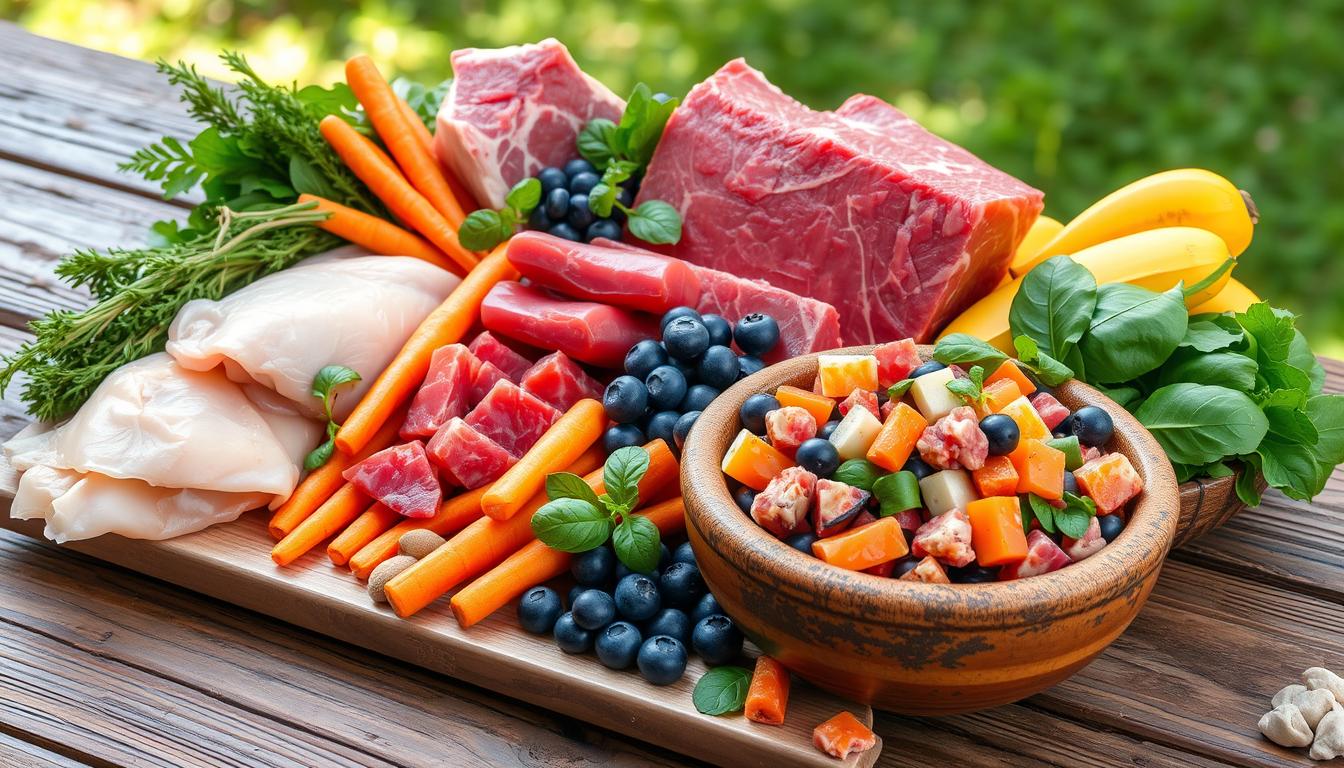
Raw meat diets are based on what dogs used to eat. They include raw meat, bones, and sometimes fruits and veggies. Some say it’s healthier. But, others worry about the risks like bad nutrients and germs.
Exploring raw dog food diets is important. We need to understand the good and bad. And choose what’s best for our dogs.
Key Takeaways
- The popularity of raw dog food diets is driven by a growing preference for less processed and more natural pet foods.
- Advocates of raw meat-based diets (RMBDs) claim they align with a dog’s ancestral eating patterns and may provide health benefits.
- Critics of RMBDs cite concerns about potential nutrient imbalances and the risk of bacterial contamination.
- Transitioning to a raw food diet requires careful planning and consideration of your dog’s individual needs and health status.
- Consulting with a veterinarian is essential when making significant changes to your dog’s diet to ensure their well-being.
What Is a Raw Dog Food Diet?
A raw dog food diet includes raw meat, organs, and bones. It’s believed to be closer to what dogs ate in the wild. This diet is seen as a biologically appropriate raw food and a species-appropriate dog diet.
Unlike regular pet food, raw diets are natural and grain-free pet foods. They offer a holistic pet diets and fresh pet food approach.
Nutritional Advantages of Raw Diets
Supporters of the raw meat diet for dogs point out several benefits:
- Improved coat and skin health, leading to a shinier, healthier coat and reduced skin allergies.
- Better dental health, with cleaner teeth and stronger jaws from chewing raw bones.
- Enhanced digestion, resulting in smaller and firmer stools, as well as better overall digestive function.
- Increased energy levels and vitality in dogs.
- Easier weight management due to the biologically appropriate nutrition.
- Boosted immune system from the abundant vitamins, minerals, and antioxidants.
- Reduction in allergies and food sensitivities by avoiding common allergens.
- Mental stimulation from chewing raw bones.
Comparative Analysis: Raw Diet vs. Commercial Pet Food
Raw dog food diets have more moisture and might be easier to digest than commercial pet foods. But, they need careful preparation and storage to stay safe. It’s important to consider the benefits and risks, like bacterial contamination and nutritional imbalances.
Potential Health Benefits of Raw Dog Food Diet
The raw dog food diet, also known as the Biologically Appropriate Raw Food (BARF) diet, has become popular. People believe it offers many health benefits for dogs. These include better digestion, more energy, and healthier skin and coat.
Studies show puppies on a raw diet have more antioxidants than those on meat-only diets. This was found in the Journal of Animal Physiology and Animal Nutrition. Also, puppies on kibble are 61-85% more likely to get inflammatory bowel disease (IBD) as adults, a survey found.
The raw diet is rich in protein, which helps with muscle growth and a strong immune system. A University of Helsinki survey showed kibble-fed puppies are 182% more likely to get environmental allergies as adults.
But, there’s not enough scientific proof of the long-term benefits of raw feeding. More research is needed. It’s also key to know about canine nutrition to avoid diet problems.
While the raw diet for dogs seems promising, it’s crucial to talk to a vet before starting. They can make sure the diet is right for your dog. Also, slowly introducing the diet helps avoid digestive issues.
Transitioning Your Dog to a Raw Food Diet
Switching to a raw dog food diet can greatly benefit your dog. But, it’s important to do it slowly to avoid stomach problems. With a careful plan and knowledge of common issues, you can make the switch smoothly.
Step-by-Step Guide for Switching to Raw Food
- Begin with a mix of 25% raw and 75% old food. This helps your dog’s stomach get used to the new food.
- Gradually increase the raw food portion over weeks. Aim for 100% raw food diet by the end.
- Watch your dog closely for any signs of stomach trouble, like vomiting or diarrhea.
- If problems arise, slow down the transition or go back to more old food.
Troubleshooting Common Issues
When switching to raw food, your dog might face some hurdles, like:
- Digestive problems: Slow changes and watching your dog can help avoid stomach issues.
- Lack of interest: Try different meats or mix a bit of old food with the new to make it more appealing.
If problems persist, talk to your vet for advice on common issues raw food diet for your dog.
Raw Dog Food Diet and Specific Health Conditions
Feeding a raw dog food diet is a topic of debate. Some pet owners say their dogs’ skin, coat, and digestion improved on a raw diet. But, the scientific proof is not clear-cut.
Is Raw Dog Food Good for Dogs with Sensitivities?
Grain allergies in dogs and cats are extremely rare. Studies suggest grain-free diets might link to a serious heart issue in dogs called dilated cardiomyopathy (DCM). Raw diets can also be risky, with dangers from salmonella and E. coli.
Before switching a dog with health issues to raw food, talk to a vet. The benefits and risks depend on the dog’s specific needs. Giving pets human food can be harmful, as many foods are toxic to them.
Quality and where ingredients come from matter in pet food. By-products can be nutritious, like organs full of vitamins and minerals. Homemade diets need careful planning to ensure they’re balanced and complete.
Knowing your pet’s nutritional needs is key. Always consult a vet before changing your dog’s diet, whether it’s raw or another type.
The Risks of Feeding Raw Meat to Dogs
The raw dog food diet is popular, but it comes with risks. Raw meat can carry harmful bacteria like E. coli, Salmonella, and Listeria. These can make dogs and their owners very sick.
Raw dog food diets can also lead to nutritional imbalances and deficiencies. If not balanced right, these diets can cause health problems in dogs. This includes developmental issues and organ dysfunction.
Bacterial Contamination and Food Safety
Vets like the American Animal Hospital Association and the American Veterinary Medical Association warn against raw diets. They say the risks of bacterial contamination are too high. These bacteria are usually killed by cooking, but raw meat can be dangerous.
Nutritional Imbalances and Deficiencies
Raw dog food diets can also cause nutritional imbalances and deficiencies. Even store-bought raw pet food might not have the right nutrients. It’s important to talk to a vet before starting a raw meat-based diet for your dog.
In summary, while the raw dog food diet might seem good, the risks of raw meat for dogs are real. These include bacterial contamination and nutritional imbalances. It’s safer to choose dog food made for their specific needs.
“The benefits of feeding raw meat to dogs are anecdotal, with a lack of high-quality studies looking at its advantages compared to the risks.”
Vet-Approved Alternatives to Raw Dog Food Diet
Vets often suggest other diets for dogs instead of raw food. These diets are safe and balanced. They meet your dog’s nutritional needs without the risks of raw meat.
High-quality commercial dog food is a good choice. It’s made to fit your dog’s life stage and health. Brands like JustFoodForDogs, Nom Nom, Hill’s Science Diet, and Purina Pro Plan are vet-approved for their quality.
For a homemade diet, a vet nutritionist can help. They create a diet that fits your dog’s needs. Companies like The Farmer’s Dog and Royal Canin offer fresh, personalized food.
Looking for a raw alternative? Brands like We Feed Raw, Open Farm, Viva Raw, and Maev offer safe, vet-approved options. They use human-grade ingredients and are tested for nutrition.
Choosing your dog’s diet should be a team effort with your vet. They’ll help pick the best diet for your dog’s health and lifestyle. These raw dog food alternatives ensure your dog gets the nutrition they need safely.
Why Dog Owners Stop Feeding Raw Dog Food Diet
Raw meat-based diets (RMBDs) have become popular among dog owners. Yet, research shows three main reasons why some stop: gastrointestinal issues, health problems, and dogs not wanting to eat raw food.
Gastrointestinal Intolerance
Gastrointestinal problems like vomiting, diarrhea, or gas were the top reason. They were reported by 37% of owners who stopped the raw diet. About 24% said their dog couldn’t tolerate the raw diet.
Onset of Disease
Health issues, like inflammatory bowel disease, were the second reason. It was reported by 20% of owners. They saw health problems in their dogs and switched to other diets.
Lack of Interest from the Dog
15% of owners stopped the raw diet because their dog didn’t want to eat it. Some dogs just didn’t like the raw meat diet, leading owners to look for other options.
Most owners (65%) switched to dry food after stopping raw diets. 44% went to wet food, and 26% chose home-cooked diets. Cost and convenience were also reasons for the change.
Conclusion
The raw dog food diet has become popular among pet owners. They believe it’s closer to what dogs ate in the wild and might be healthier. But, the science backing this up is weak, and there are big risks like bacteria and not enough nutrients.
Vets usually say no to raw meat for dogs because of these dangers. They suggest good commercial dog food instead. Or, if you want to make your own food, get help from a vet nutritionist to make sure it’s right.
Some pet owners think a raw dog food diet is better, but the dangers are too great. It’s important to listen to vet advice. They know what’s best and safest for your dog.